
Menu
Concrete Patio Care in Wet Kent Climates: Longevity Tips
Concrete Patio Kent
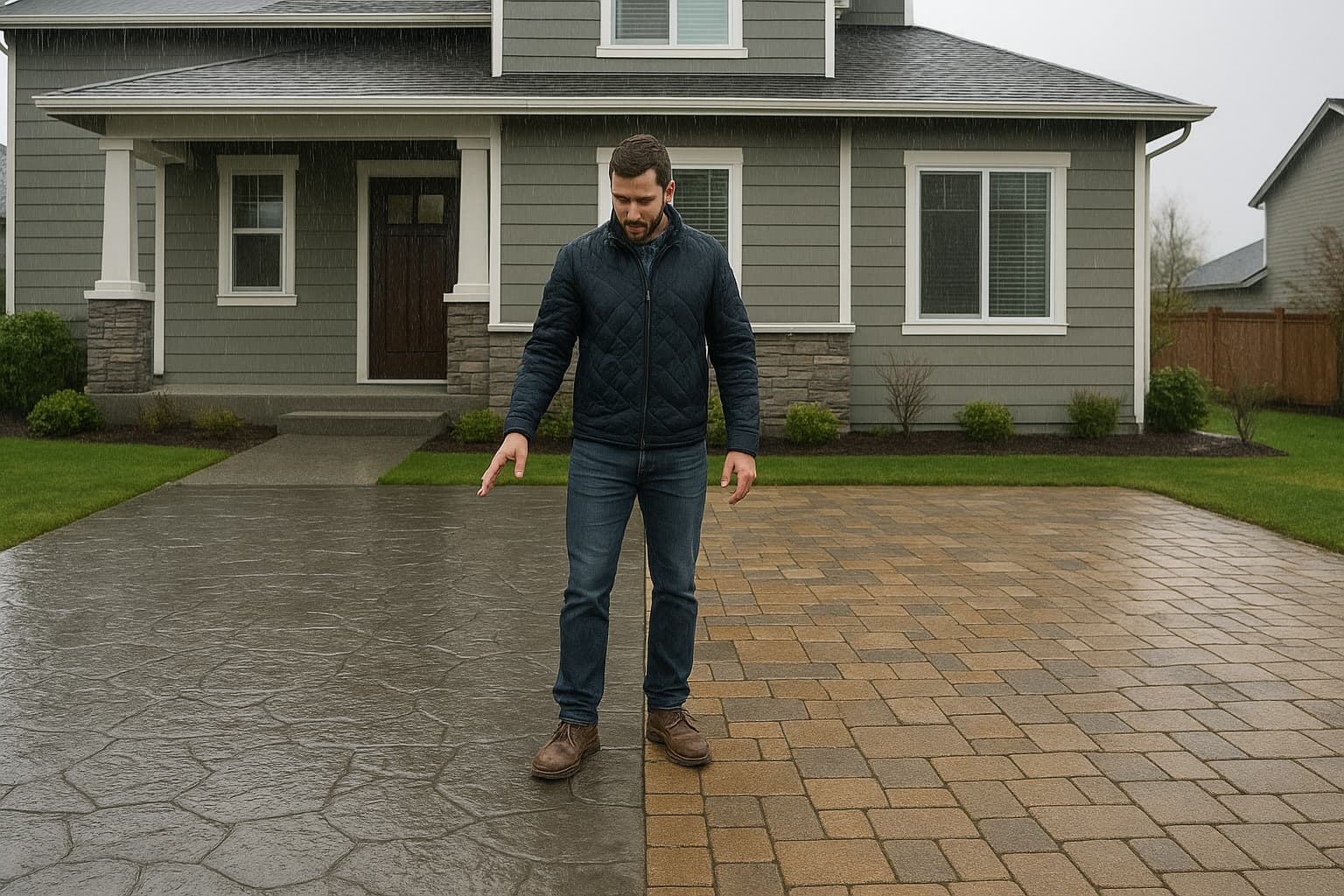
The outdoor living space represented by your concrete patio is an important investment, but Kent’s weather patterns can make it difficult to maintain. Kent receives well over 37 inches of rain per year, and has long periods of time where your concrete patio will be exposed to moisture. Therefore, you have a responsibility to properly care for your concrete patio so that it provides years of dependable performance.
Maintaining and Protecting a Concrete Patio in Kent
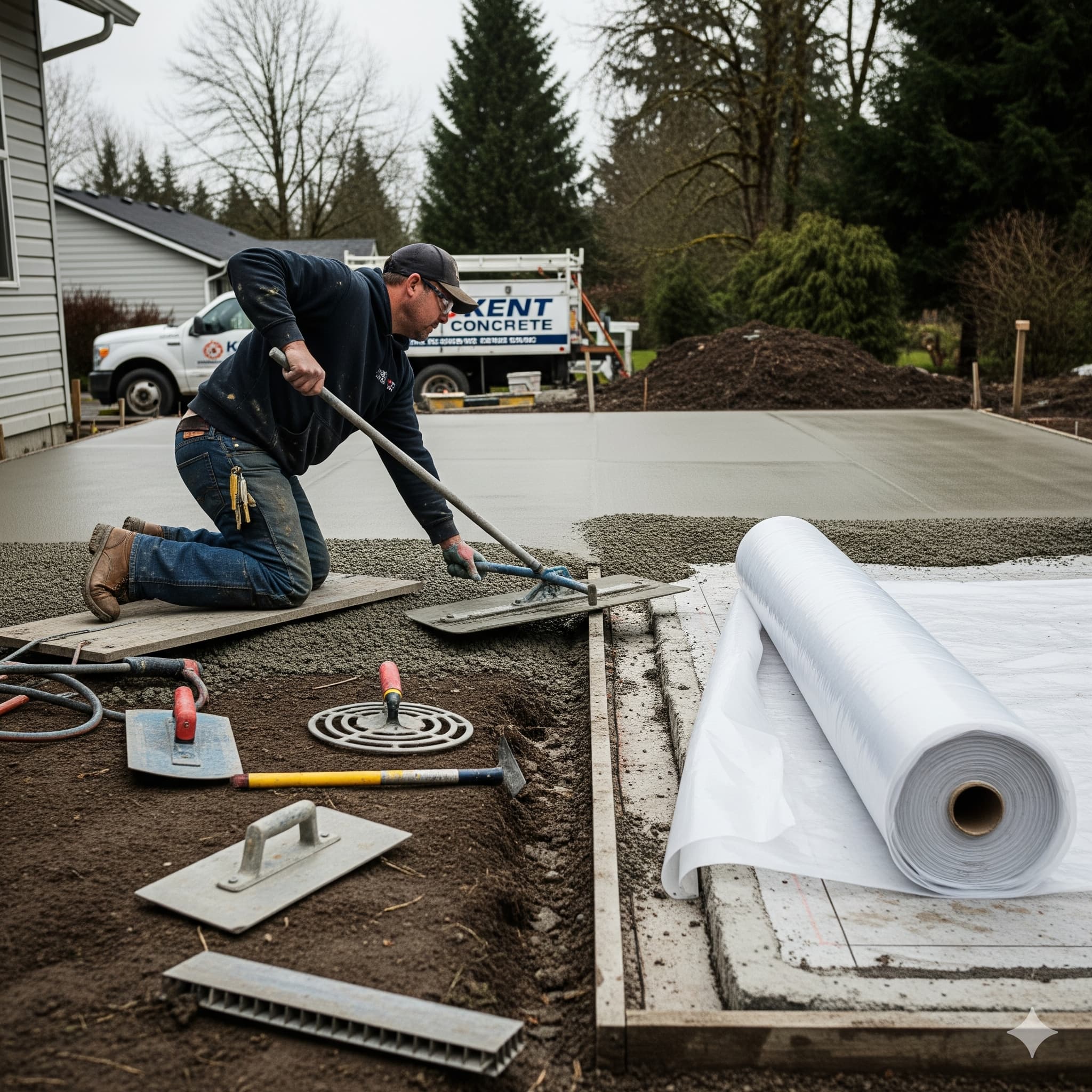
A well-maintained concrete patio in Kent will serve you for many years, providing a comfortable and safe outdoor space for recreation and relaxation. But in order to do this, the patio needs to be properly maintained and protected from the elements.
Kent is located in the Puget Sound Region and has a marine climate with cool winters and mild summers. The area receives abundant rainfall throughout the year, which means that your concrete patio will be exposed to wet conditions much of the time. This can make it difficult to maintain your patio, especially if you do not take the right steps to protect it from the elements.
To start, you need to understand the types of threats that your concrete patio faces in Kent. Several factors can cause damage to your patio, including:
Freezing Temperatures: Freezing temperatures can cause concrete to expand and contract repeatedly. These repeated expansions and contractions can cause hairline cracks to form in the concrete, which can eventually grow into large cracks. When water enters these cracks and freezes, it expands and causes further damage to the concrete.
Moisture Exposure: Moisture can enter the concrete through the top layer, causing damage to the aggregate inside the concrete. Repeated exposure to moisture can cause the concrete to deteriorate rapidly.
Dirt and Debris: Dirt and debris can stain your patio and create slippery surfaces. They can also hide other problems, such as cracks and uneven surfaces, making them harder to detect.
Salt and Chloride Damage: If you live in an area that uses salt to melt snow and ice on sidewalks and driveways, you know how corrosive it can be. Salt and chloride can eat away at the concrete, causing it to break down and crumble.
Protecting Your Patio from These Threats
Fortunately, there are things you can do to protect your patio from these threats and extend the life of your concrete. Here are some ways to do so:
Cleaning: Regular cleaning is the best way to protect your patio from the elements. During the rainy season (October to May), you should clean your patio once a month to remove dirt and debris. For the rest of the year, you can clean your patio once every three months.
Sealing: Sealing your patio is one of the best ways to protect it from moisture and damage. A good sealer will block moisture from entering the concrete, preventing it from expanding and contracting. Sealers also protect the concrete from salt and chloride damage.
Drainage: Proper drainage is essential to protecting your patio from moisture. Make sure that your patio has adequate drainage holes to prevent water from pooling on the surface. Also, check that the area around your patio is sloped to direct water away from the patio.
Patience: Protecting your patio takes patience. It’s not something you do once and then forget about. You need to stay on top of it and continue to maintain it over the years to get the most out of your investment.
How to Clean Your Patio
Cleaning your patio involves several steps. First, you need to sweep the patio to remove any loose debris. Then, you can power wash the patio to remove dirt and stains. After power washing, you can use a mop and a cleaner to remove any remaining stains.
Always wear protective clothing when cleaning your patio, including gloves, goggles, and a face mask. Power washing and mopping can be rough on your hands and skin.
Be careful when sweeping your patio, especially if you have a lot of plants and trees nearby. Branches can fall onto the patio and scratch the surface.
When power washing your patio, be sure to keep the nozzle at least 12 inches away from the surface. You don’t want to damage the concrete.
Avoid using harsh chemicals to clean your patio. Instead, use a mild soap or a cleaner specifically designed for concrete.
If you notice any tough stains on your patio, try soaking the area first to loosen up the stain. Then, use a gentle cleaner and a brush to scrub the stain away.
How to Seal Your Patio
Sealing your patio is easier than you think. All you need is a good sealer and a few basic tools.
First, you need to clean the patio thoroughly. Sweep off any loose debris, and power wash the patio to remove dirt and stains.
Next, you need to let the patio dry completely. This could take anywhere from 24 hours to a week, depending on the amount of moisture in the concrete.
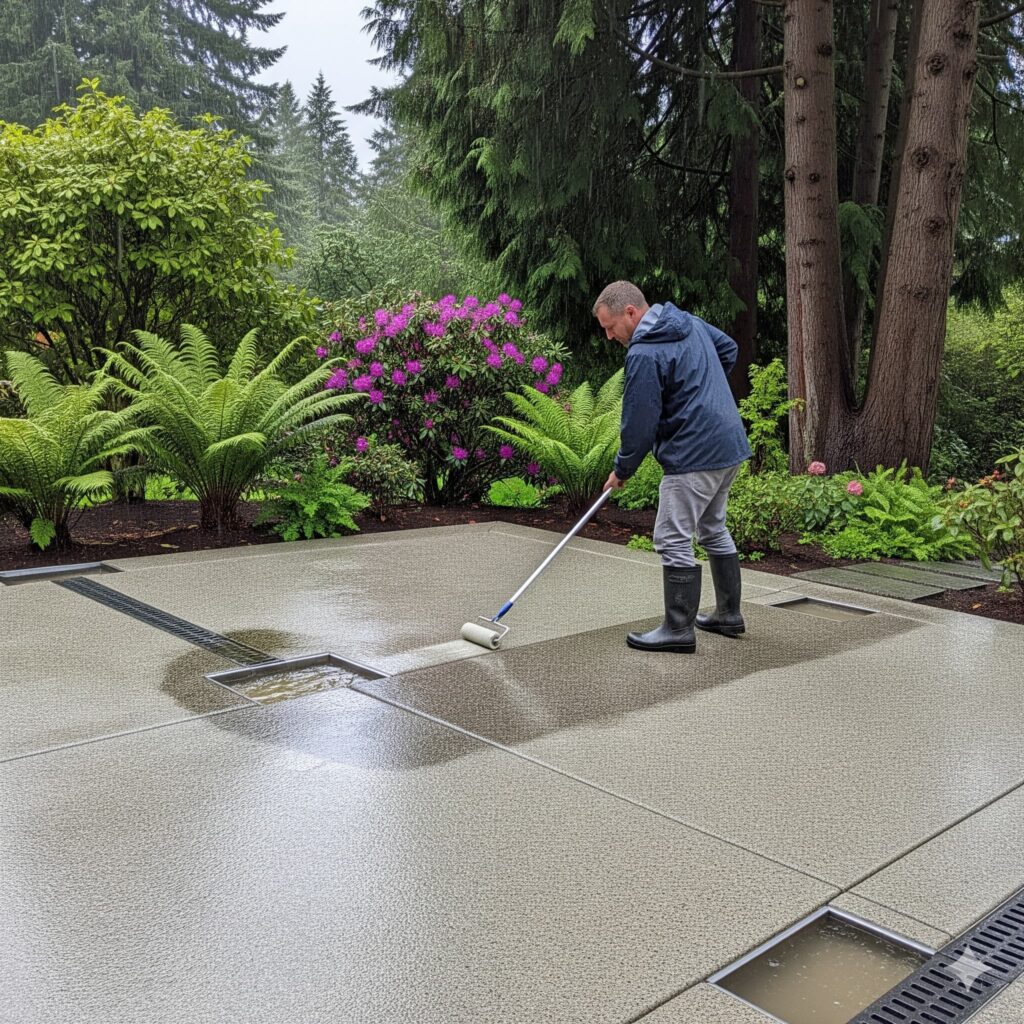
Once the patio is dry, you can apply the sealer. Follow the instructions on the back of the container for the recommended thickness and drying time for the sealer.
After applying the sealer, let the patio dry according to the manufacturer’s instructions. Some sealers may need to be reapplied multiple times, depending on the finish you’re looking for.
Always follow the manufacturer’s instructions when sealing your patio. Different manufacturers have different recommendations for preparation and application.
Don’t apply too thick a coat of sealer to your patio. Too much sealer can pool on the surface and create a sticky mess.
Let the sealer dry completely before walking or driving on the patio. Otherwise, the oil in your tires can dull the sealer.
Don’t apply sealer to hot surfaces. Wait until the sun goes down or the surface cools off to apply the sealer.
For maximum protection, reapply sealer every two to three years. However, this may vary depending on the climate you live in and the amount of foot traffic on your patio.
Why You Need Drainage Around Your Patio
Drainage is important to protect your patio from damage caused by water. Without proper drainage, water can collect on the surface of the patio and cause damage to the concrete. Over time, this can weaken the structure of the patio and even lead to collapse.
In addition to protecting your patio from damage, proper drainage can also improve the aesthetic appeal of the area surrounding your patio. By creating a smooth transition from your home to your patio, you can create a seamless look that looks great all year round.
Proper drainage helps protect your patio from water damage, improves the aesthetic appeal of the surrounding area, eliminates standing water that can attract mosquitoes and other pests, and preserves your home’s value by maintaining a functional exterior space.
How to Create Proper Drainage Around Your Patio
Creating proper drainage around your patio is a simple process. All you need to do is create a slope leading away from the house and towards the yard.
You’ll need to install a drainage system using PVC pipes or other materials.
The slope should be slight, no steeper than 10 percent, to avoid erosion.
Multiply the length of the slope by 0.01 to find the total rise needed.
Mark the area where you plan to dig with stakes and twine to guide your digging.
Dig trenches for the pipes using a trencher or shovel.
Lay the pipes and connect them to your yard drain.
Fill the trenches with gravel to provide support for the pipes.
Connect the pipes to a storm drain or other outlet for the water.
Benefits of Using Professionals to Maintain Your Patio
While you can perform routine maintenance tasks yourself, hiring professionals to handle major maintenance and repair tasks can save you money and frustration in the long run. Hiring professionals can also give you peace of mind and ensure that your patio is properly maintained.
Benefits include saving money by hiring someone who knows what they’re doing, gaining peace of mind knowing that your patio is properly maintained, ensuring repairs are completed correctly, and working with a coordinated professional team.
How Much Does It Cost to Hire Someone to Maintain Your Patio?
Hiring someone to maintain your patio can cost anywhere from $50 to $100 per hour, depending on the complexity of the job.
Concrete cleaning and sealing typically costs $75 to $150 per hour.
Power washing generally costs $50 to $75 per hour.
Wooden furniture restoration usually costs $50 to $75 per hour.
Outdoor lighting installation ranges from $75 to $125 per hour.
Deck maintenance typically costs $75 to $125 per hour.
Overall, hiring someone to maintain your patio can range from a few hundred dollars to several thousand dollars, depending on the scope of the project and the number of hours worked.
Ways to Save Money on Patio Maintenance
Ways to save money include scheduling maintenance during the off-season, completing some tasks yourself, buying generic cleaning products, scheduling regular maintenance to prevent major repairs, and using eco-friendly cleaning products that are cheaper and gentler on your patio.
Conclusion
Maintaining your patio is an ongoing task that requires regular cleaning and upkeep to protect it from the elements. While it may seem overwhelming at first, with the right tools and knowledge, anyone can learn to protect and maintain their patio. With the tips outlined above, you’ll be able to keep your patio looking beautiful for years to come.
Kent Concrete Masters provides specialized knowledge of local climate challenges and proven maintenance strategies. Professional maintenance services ensure that appropriate products and techniques are used for Kent’s specific environmental conditions.